

by Tim Gordon
A Remarkable Celebration of Black Excellence and Cultural Preservation
Once Upon a Time in Harlem arrives more than five decades after documentary filmmaker William Greaves first envisioned this extraordinary cultural gathering, delivering a stunning celebration of Black excellence, creativity and achievement. At a moment when efforts to diminish, distort or erase the contributions of African Americans remain an urgent concern, this remarkable documentary reminds audiences of the intellectual brilliance and cultural influence that helped shape the American experience.
Originally conceived as a single afternoon gathering of surviving luminaries of the Harlem Renaissance, Greaves’ ambitious project assembles cultural griots whose collective memories illuminate one of the most transformative periods in American history. The result is a supremely satisfying experience that celebrates not simply what these pioneers accomplished, but the extraordinary legacy they created for generations to follow.
For more information about the documentary and its remarkable journey to the screen, visit the official Once Upon a Time in Harlem website.

Once Upon a Time in Harlem: A Gathering of Living Legends
In August 1972, nearly 100 artists, writers, musicians, activists and intellectuals gathered at Duke Ellington’s home for an afternoon of celebration, remembrance and spirited conversation. These were individuals who helped define the Harlem Renaissance or witnessed its cultural explosion firsthand, bringing their experiences into a remarkable collective conversation.
Among those assembled were legendary pianist Eubie Blake, whose groundbreaking musical Shuffle Along helped transform American theater; celebrated painter Romare Bearden; and renowned photographer James Van Der Zee, whose images captured the richness and complexity of Black life in Harlem.
Alongside fellow poets, performers and historians, they revisited the people, places and movements that established Harlem as a center of Black artistic and intellectual expression during the early twentieth century.
What makes Once Upon a Time in Harlem particularly compelling is the opportunity to witness these extraordinary figures interacting with one another. Rather than relying on contemporary interpretations, Greaves allows history to unfold through the voices of those who experienced it.
Their recollections, disagreements and spontaneous exchanges transform the gathering into something far more meaningful than a historical reunion. It becomes a living archive of a movement whose influence continues to resonate throughout American culture.
History Comes Alive Through Extraordinary Moments
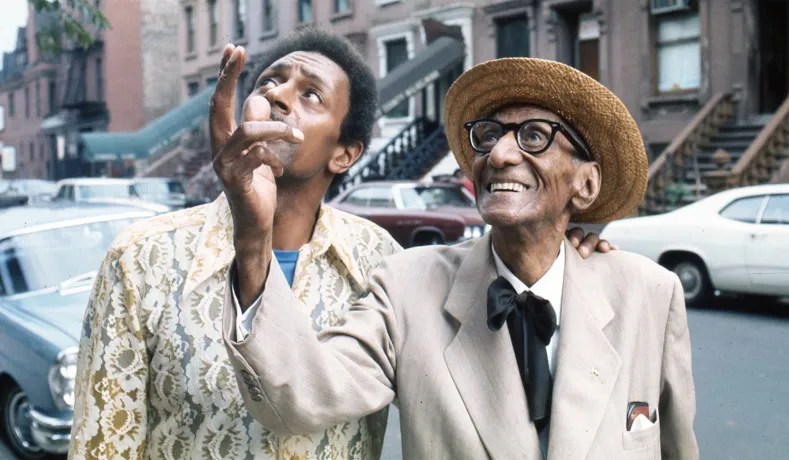
Among the documentary’s many treasures is an unforgettable moment featuring 96-year-old actor Leigh Whipper, who vividly recalls lines from a theatrical production performed decades earlier. Watching him summon those words with such clarity reminds audiences that these cultural pioneers carried entire chapters of American history within their memories.
Equally compelling is a remembrance of Claude McKay’s powerful poem If We Must Die, a defining expression of Black resistance and determination. The gathering also revisits the influence of Marcus Garvey, whose advocacy for Black self-determination inspired considerable discussion during the Harlem Renaissance.
These exchanges are more than nostalgic recollections. They reveal the intellectual energy, artistic brilliance and sometimes competing perspectives that shaped an extraordinary cultural movement.
Greaves allows these living legends to engage one another naturally, preserving their humor, disagreements and deeply personal connections to a period that forever changed American culture.
What makes these moments especially moving is the realization that many of these voices would soon be lost. Greaves captured them while they could still speak for themselves, transforming an afternoon of conversation into an invaluable historical record.
Preserving the Voices of Black Excellence
The documentary’s greatest achievement lies in recognizing that these cultural pioneers were more than celebrated names in history books. They were individuals whose creativity, courage and determination helped reshape American culture while challenging the limitations imposed upon Black artists and intellectuals.
Their conversations explore theater, literature, music, visual art and politics, revealing the diversity of thought that defined the Harlem Renaissance. The gathering provides a rare opportunity to experience the personalities behind the achievements, capturing moments of humor, reflection and spirited debate.
For contemporary audiences, the experience is especially powerful. At a time when the historical contributions of African Americans are too often minimized or contested, Once Upon a Time in Harlem offers an undeniable reminder of the intellectual and artistic foundations upon which generations have continued to build.
Greaves understood the importance of documenting these voices while they were still present to share their stories. His camera preserved something that could never be recreated: a room filled with living history.
Rather than presenting Black excellence as an abstract concept, the documentary allows audiences to witness it firsthand through the memories and personalities of those who helped define it.
Although William Greaves conceived and filmed this extraordinary gathering in 1972, he was unable to complete the documentary during his lifetime. The footage remained an unfinished cultural treasure until his son David Greaves and granddaughter Liani Greaves undertook the responsibility of bringing his vision to completion.
Their achievement extends beyond finishing a film. It represents a commitment to preserving an essential chapter of Black American history and ensuring that the voices of these cultural giants remain accessible to future generations.
More than five decades after the gathering, the completed documentary offers audiences an intimate encounter with individuals whose contributions continue to influence contemporary art, music, literature and political thought.
In many respects, the film becomes a conversation between generations, connecting those who helped shape the Harlem Renaissance with audiences discovering their extraordinary stories today.
That continuity is particularly meaningful because the documentary itself has become a multigenerational undertaking. What began as William Greaves’ vision now stands as a testament to his family’s determination to preserve a remarkable cultural inheritance.
The documentary’s long journey culminated in a new chapter of recognition, including its selection for the 64th New York Film Festival, introducing Greaves’ remarkable cultural archive to contemporary audiences.
Once Upon a Time in Harlem: Final Verdict
Spending an afternoon in the company of these remarkable cultural griots is among the most satisfying documentary experiences imaginable. Their stories are legendary, their personalities unforgettable and their collective contributions immeasurable.
Much like the long-delayed release of Aretha Franklin’s Amazing Grace and Questlove’s Academy Award-winning Summer of Soul, Once Upon a Time in Harlem demonstrates the extraordinary power of archival footage to illuminate essential moments in Black cultural history.
Yet this documentary possesses an intimacy that makes its achievement particularly distinctive. Rather than observing history from a distance, audiences are invited into a room where the individuals who shaped a movement reflect upon their lives, their accomplishments and the world they helped transform.
The experience is both educational and deeply emotional, offering a rare glimpse into the relationships, conversations and personalities behind a cultural renaissance that continues to influence generations of artists.
William Greaves recognized the importance of preserving this gathering more than half a century ago. David and Liani Greaves have ensured that his vision will finally reach the generations for whom it was intended.
A stunning, supremely satisfying celebration of Black excellence, Once Upon a Time in Harlem is more than a documentary. It is a priceless cultural inheritance and a powerful reminder that our history must never be forgotten.
Grade: A
Discover more from FilmGordon
Subscribe to get the latest posts sent to your email.


