

by Tim Gordon
In August 1972, filmmaker William Greaves extended an extraordinary invitation: a cocktail party at the home of Duke Ellington, bringing together artists, writers, musicians, activists, and intellectuals who helped shape the Harlem Renaissance. More than five decades later, Once Upon a Time in Harlem opens the doors to that remarkable afternoon, offering an intimate encounter with a generation whose creativity transformed American culture and whose stories remain essential to understanding Black history.
Greaves understood that history could be preserved through more than formal interviews or carefully arranged portraits. Sometimes, the most revealing record emerges when people gather, remember, disagree, laugh, and challenge one another. His camera captured a living conversation among individuals who had helped build a cultural movement, allowing their personalities, convictions, and relationships to become part of the historical record.
Inside Once Upon a Time in Harlem
The gathering includes an extraordinary collection of cultural figures, among them composer Eubie Blake, actor Leigh Whipper, photographer James Van Der Zee, painter Aaron Douglas, writer Richard Bruce Nugent, journalist Gerri Major, and historian John Henrik Clarke. Their conversations move across literature, theater, jazz, visual art, politics, racial identity, and the responsibilities of the Black artist.
What makes Once Upon a Time in Harlem so compelling is its refusal to reduce these individuals to names in a textbook. They emerge as complicated people with vivid memories, strong opinions, competing philosophies, and distinct senses of humor. Their recollections illuminate not only what the Harlem Renaissance accomplished, but also the networks of friendship, patronage, performance, publishing, and intellectual exchange that helped make it possible.
The film also preserves disagreements that resist easy resolution. Discussions about Marcus Garvey, artistic freedom, and the responsibility to represent Black life reveal a movement that was never ideologically uniform. Some participants believed artists had a duty to protect the community’s public image. Others insisted that authentic expression could not be confined by expectations of racial uplift. Those tensions continue to resonate in contemporary conversations about representation, cultural responsibility, and who gets to tell Black stories.
The result is more than a documentary about a celebrated period in American history. It is a portrait of the people who made that history, captured in their own voices and on their own terms.
A Family’s Commitment to Preserving History
The story behind the film is nearly as remarkable as the gathering itself. William Greaves filmed the afternoon in 1972, but he died in 2014 without completing the project as audiences now encounter it. His son, David Greaves, and granddaughter, Liani Greaves, helped bring the long-unfinished work to completion, carrying a remarkable family legacy into a new generation.
Their efforts raise an important question about cultural preservation: What happens when the people entrusted with documenting history do not live long enough to finish the work? In this case, the answer lies in the determination to recover, restore, and share images that might otherwise have remained outside public view.
For the filmmakers, the project is both a cinematic undertaking and an act of inheritance. It reconnects contemporary audiences with artists and thinkers whose contributions deserve continued recognition, while demonstrating how the preservation of Black history depends on people willing to carry that responsibility forward.
For more about the film and its history, visit the official Once Upon a Time in Harlem website.
A Conversation with David and Liani Greaves
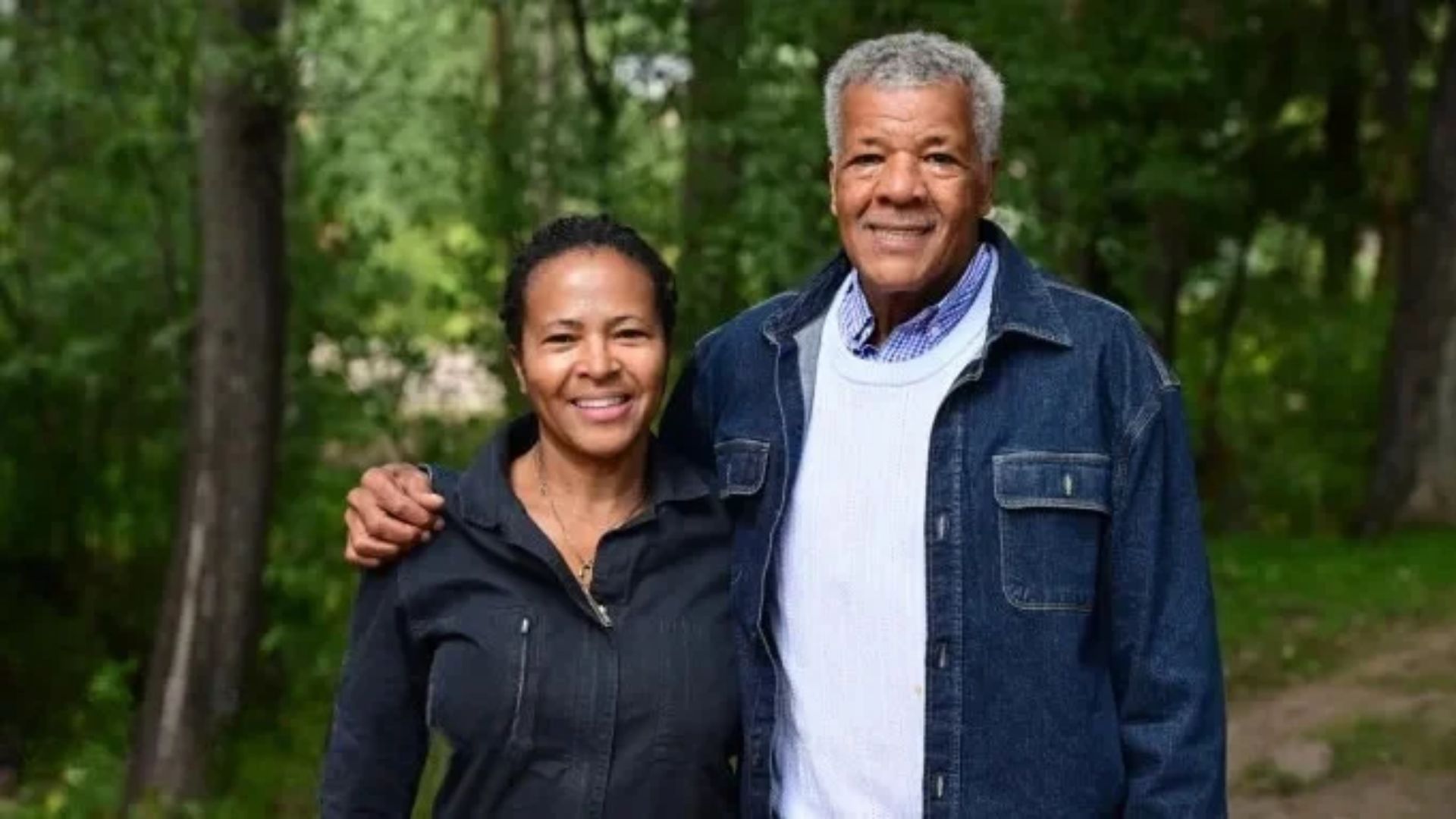
In the accompanying video, co-directors David and Liani Greaves discuss the film, its extraordinary origins, and the experience of bringing William Greaves’s long-unfinished project to audiences. Their conversation adds another dimension to the documentary, exploring the connection between filmmaking, family history, and the responsibility to preserve cultural memory.
Their reflections also invite viewers to consider what it means to inherit a story that began before their time, and how each generation decides what deserves to be remembered.
Once Upon a Time in Harlem reminds us that the Harlem Renaissance was not simply a chapter that closed. Its influence lives in the art that followed, the arguments that continue, and the generations still discovering the people who helped shape the culture around them.
The gathering took place in 1972. The invitation, at last, is ours.
Discover more from FilmGordon
Subscribe to get the latest posts sent to your email.


